Case 01 · Healthcare AI · Brand strategy

Naming a categoryinto existence.

CalmWave — Director of Marketing (VP)
2022 – 2026 · Contract, then full-time · Pre-seed through Series A

A product with no category, positioned as "alarm-reduction software," running 45-minute discovery calls and zero pipeline. The messaging was a symptom. The deeper issue: no language existed yet for what they'd built.

$0 $100M+
Pipeline growth
during my tenure
$10M+
Contracted revenue,
marketing-influenced
45 20 min
Discovery calls,
cut by half
$15M
Raise supported
pre-seed – Series A
The situation

When I joined, CalmWave had a product with no category. They were solving alarm fatigue in ICUs — a decades-old clinical problem — but what they'd actually built was significantly bigger: a platform that made systemic operational fragmentation visible and actionable across clinical, IT, and administrative teams.

The messaging didn't know this yet. The product was positioned as alarm-reduction software. Nurse wellness was mentioned vaguely. Customer discovery ran forty-five minutes of "what do you actually do?" Pipeline was zero.

The diagnosis

The surface problem was positioning. The real problem was deeper.

CalmWave was trying to fit its product into existing categories — clinical decision support, hospital operations software, alarm management. What it actually did fit none of them. This went deeper than positioning. It was a category-creation problem.

Design contradicted narrative. Product prioritization was reactive. Writing anything — a pitch deck, a sales one-pager, a product brief — required weeks of internal negotiation, because there was no shared strategic foundation to reason from.

The work

I designed the narrative architecture for a new category — Operations Health for healthcare — the connective layer that makes systemic operational fragmentation visible and actionable across hospital systems. The layer underneath clinical decision support, IT infrastructure, and staffing.

Category thesis
Defined the problem space, the competitive displacement logic, and why the category matters now. Used to align product, sales, investors, and clinical partners around one story.
Narrative architecture
Built audience-specific messaging frameworks for clinicians, ops leaders, C-suite, and investors — each with a distinct entry point into the same category thesis.
Strategic constraints
Established binding rules — no jargon, no clinical taboos, no vague outcomes — enforced across 50+ deliverables and adopted by the full leadership team.
Visual identity
Led a complete rebrand with agency partners: new identity, design system, and two full website builds — technical execution, not just creative direction.
Product integration
Participated in executive roadmapping; the category framework shaped feature sequencing from alarms to device management to data foundation to safety systems.
Thought leadership
Ghostwrote CEO content for Forbes, Fast Company, GeekWire, and Inc.; designed experiential campaigns including a custom card game and sensory event environments.
AI-powered ops Lean-team leverage
Deployed six custom GPTs — brand strategist, content marketer, ABM expert, GTM strategist — to hold narrative consistency across a lean team.
What this demonstrates

The hardest brand problem is creating the category before anyone knows it exists. That requires seeing what the product actually is before the company can articulate it, building the narrative logic that makes the category inevitable, and then executing across every surface — identity, product, sales, culture — until the story holds.

This is the work I find most interesting: the transition moment, when a company has outgrown its original narrative but hasn't yet earned the bigger one it's reaching for.
Selected artifacts — the rebrand
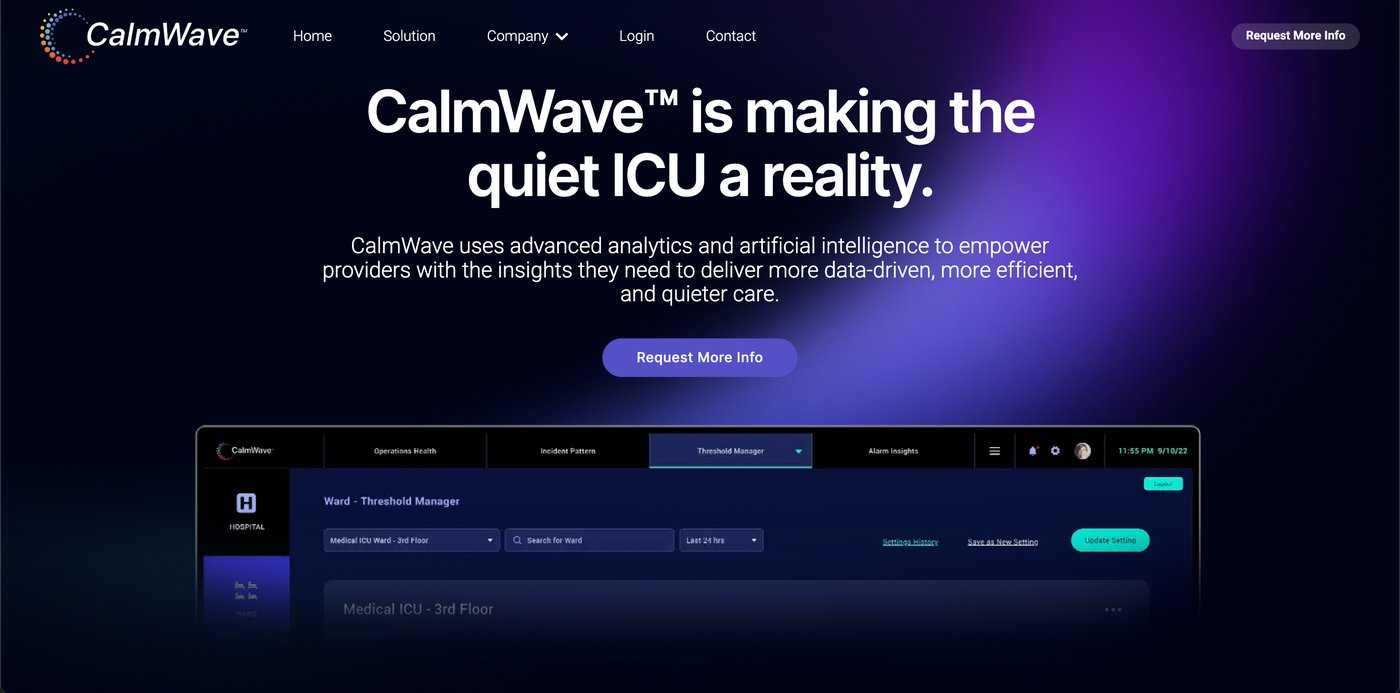
CalmWave website before the rebrand
Before — dark, feature-led, unclear category
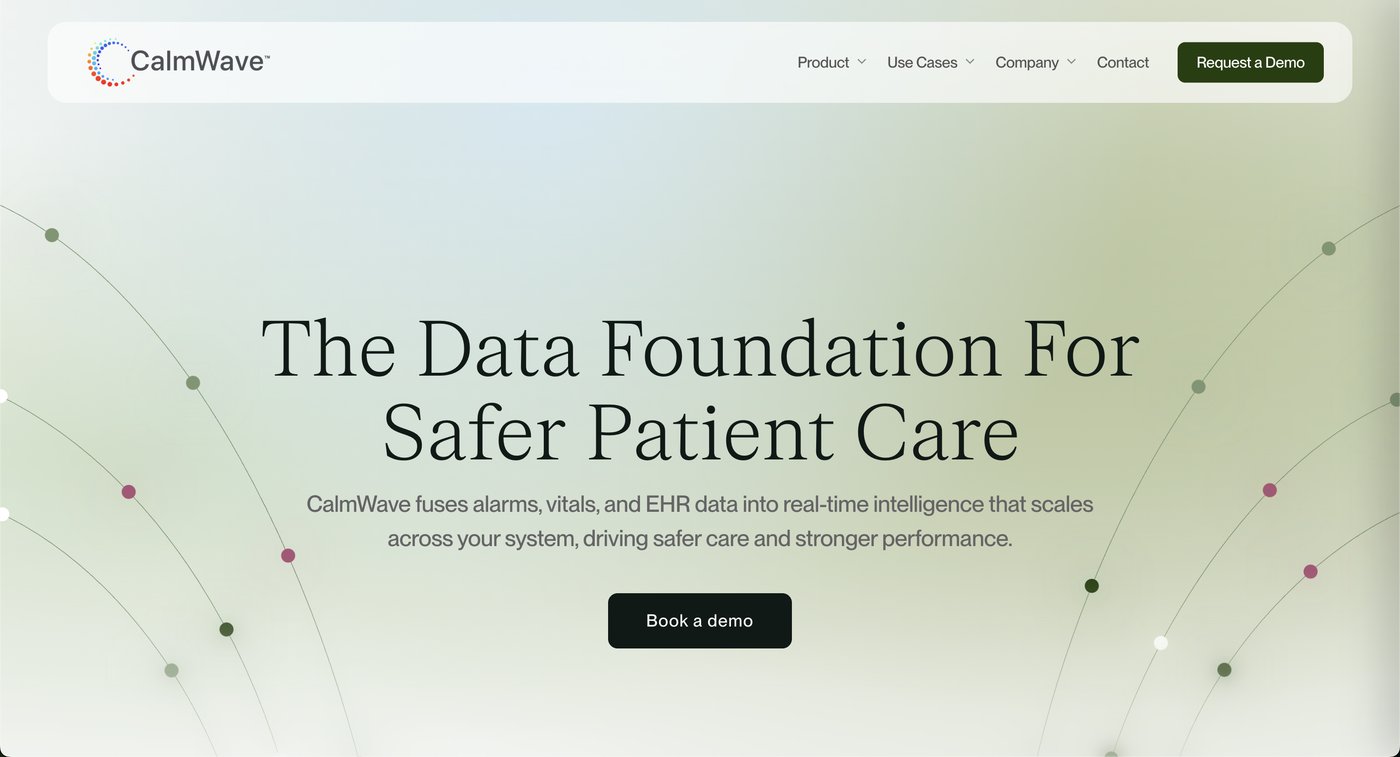
CalmWave website after the rebrand
After — editorial, category-led: Operations Health
Selected artifacts — experiential

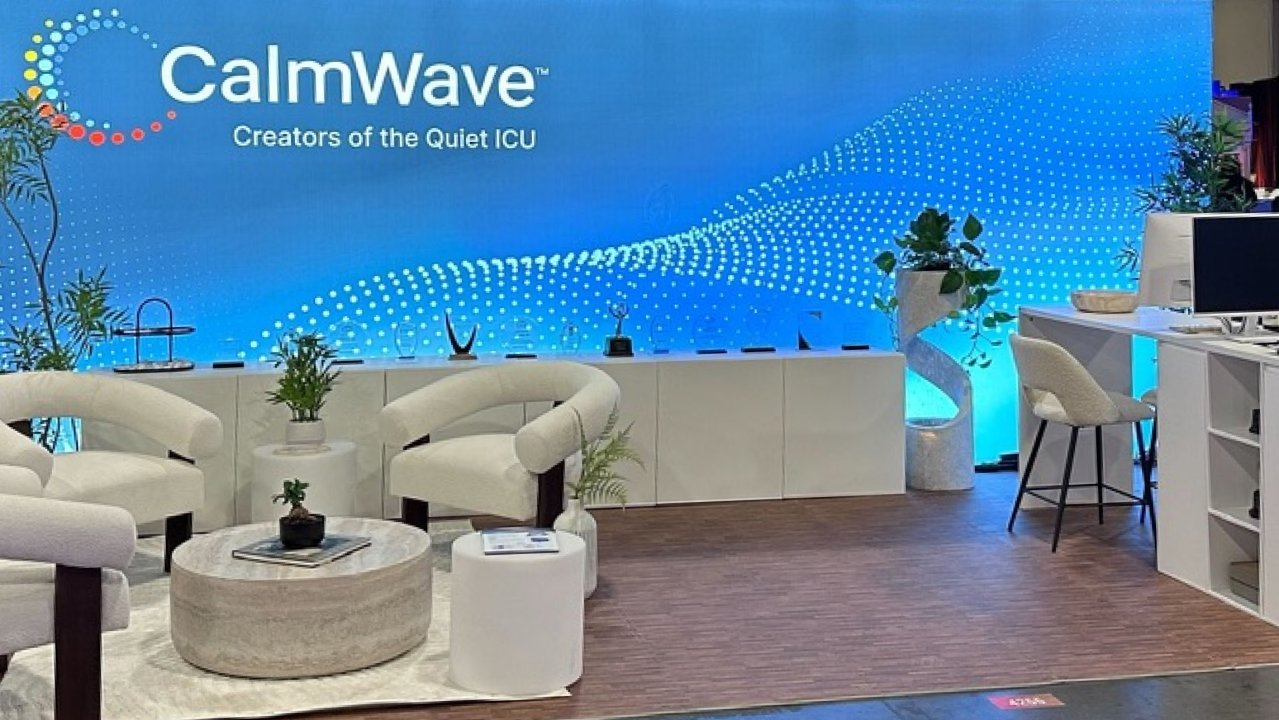
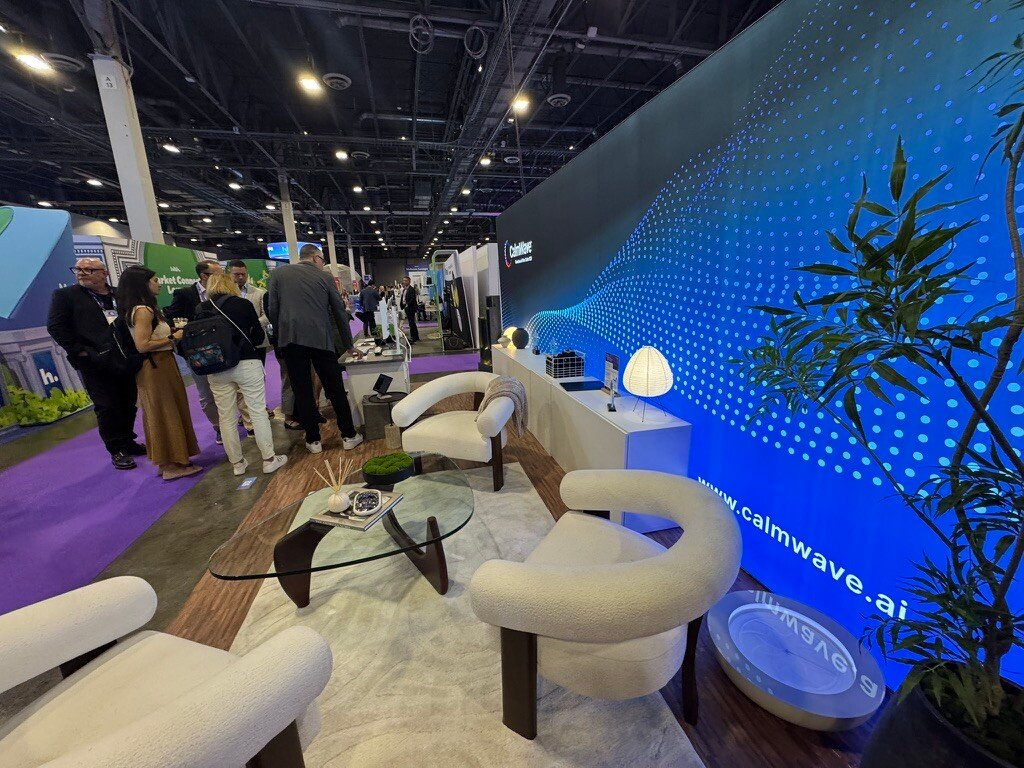
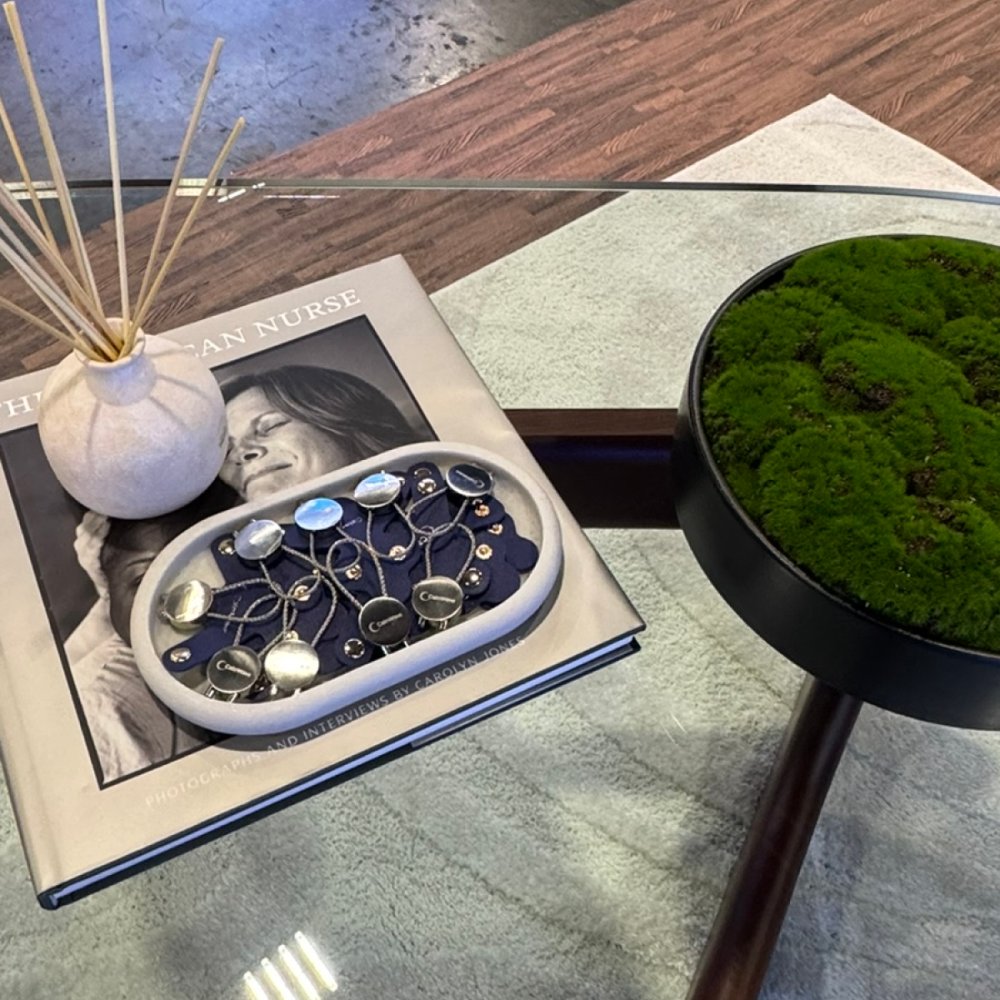
Rather than the standard clinical expo booth, we built a living room — residential furniture, live plants, a kinetic zen garden, signature scent. A leader from IDEO called it their favorite booth at the conference.
CalmWave booth wall — Creators of the Quiet ICU
The wall — calm, not clinical
CalmWave booth built as a living room
The room — built to make people stay
Zen garden detail atop The American Nurse
The details — carrying the argument